


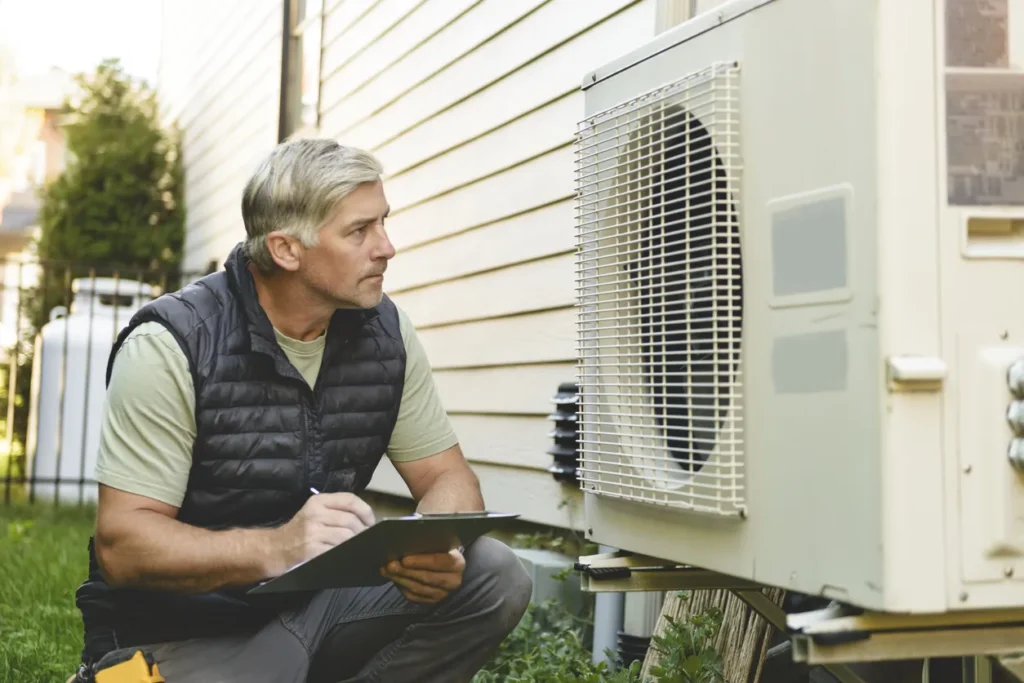
Quick, Reliable Heater Repair in Waxahachie and Ellis County
A broken heater in a cold spell creates immediate safety and comfort problems, and fast, reliable heater repair in Ellis County restores warmth while protecting your home and wallet. This article explains how to spot urgent heating issues, the diagnostic steps technicians use, and practical troubleshooting homeowners can perform before calling a pro. Readers will learn common symptoms like no heat and strange noises, how furnace and heat pump repairs differ, when to treat a problem as critical, and how preventative maintenance saves money over time. For residents who prefer a local provider, Ellis County Climate Control in Waxahachie offers on-call scheduling, certified technicians, free estimates, and financing options to make repairs manageable. The sections below cover signs of failure, the specific services offered, the step-by-step repair workflow, criteria for urgent response, maintenance guidance, and the precise towns served across Ellis County.
What Are the Common Signs Your Heater Needs Repair in Waxahachie?
A heater in need of repair shows clear, diagnosable signs that indicate which component is likely failing, helping homeowners prioritize safety and cost-effective fixes. Early recognition of symptoms such as loss of heat, unusual noises, rising energy bills, and short cycling allows a focused diagnostic approach that often reduces repair time and parts replacement. Diagnosing begins with basic checks—thermostat settings, air filters, and visible pilot/ignition indicators—then advances to component testing like blower motor function and heat exchanger inspection when warranted. Understanding these signs helps homeowners decide whether to perform simple maintenance or call a technician for diagnostic service.
How to Recognize No Heat and Strange Noises from Your Heater
No heat or strange noises are primary indicators of mechanical or combustion problems that require prompt attention to avoid larger failures. No heat often stems from thermostat issues, ignition failure in gas furnaces, or compressor problems in heat pumps, and should be verified by checking power, thermostat settings, and breakers before moving to mechanical diagnostics. Rattling, banging, or squealing noises point to loose panels, failing blower bearings, or delayed ignition; addressing loose parts quickly prevents damage to the blower motor or heat exchanger. If homeowners hear metallic banging or smell burning, they should shut down the system and contact a qualified technician for immediate evaluation to rule out safety hazards.
Why Are High Energy Bills a Warning Sign for Heater Issues?
Rising energy bills frequently signal declining system efficiency caused by clogged filters, failing blower motors, or a malfunctioning thermostat that forces longer runtimes to reach set temperatures. Energy inefficiency can also indicate issues with the heat exchanger, refrigerant charge in heat pumps, or duct leakage that reduces delivered heat and increases operating costs. Monitoring monthly energy consumption and comparing seasonal baselines helps homeowners identify abnormal spikes that merit a diagnostic inspection. Scheduling timely repairs based on these signs often restores efficiency and lowers ongoing energy expenses, making diagnostics a cost-saving first step.
Introductory list: common signs summarized for quick scanning and action.
- No Heat: The system runs but produces no warm air; check thermostat and breakers first.
- Strange Noises: Rattling, banging, or squealing indicate mechanical wear or loose components.
- High Energy Bills: Unexplained consumption increases often point to efficiency losses or leaks.
- Short Cycling: Frequent on/off cycles suggest thermostat, airflow, or compressor problems.
- Unusual Odors: Electrical burning or gas smells are immediate safety concerns.
These five signs provide a diagnostic starting point and guide whether to perform basic troubleshooting or request professional diagnostic service. Understanding the symptom-to-cause mapping reduces uncertainty and speeds repair authorization when a technician arrives.
| Symptom | Likely Cause | Typical Fix & Timeframe |
|---|---|---|
| No heat | Thermostat, ignition failure, compressor fault | Thermostat recalibration (30–60 min), ignition repair or compressor diagnosis (1–3 hours) |
| Strange noises | Loose panels, blower bearings, delayed ignition | Tightening/part replacement (30–90 min), motor replacement if needed (1–3 hours) |
| High energy bills | Clogged filter, duct leaks, inefficient burner | Filter change or duct sealing (30–120 min), burner tune-up (1–2 hours) |
This table maps common symptoms to probable causes and typical on-site actions to help homeowners set realistic expectations before scheduling service.
Which Heater Repair Services Does Ellis County Climate Control Offer?
Ellis County Climate Control provides a focused range of heating services to diagnose and repair residential and light-commercial systems across Waxahachie and neighboring towns. Services emphasize transparent diagnostics followed by informed recommendations, covering furnace repair, heat pump troubleshooting, thermostat repair, diagnostic service calls, and prompt interventions when safety concerns arise. The company also offers free estimates and financing options to reduce upfront cost barriers, and its technicians follow safety checks such as carbon monoxide testing where combustion systems are involved. Service descriptions below explain what each major offering includes and when to choose repair over replacement.
What Does Professional Furnace Repair in Waxahachie Include?
Professional furnace repair begins with a structured diagnostic that verifies thermostat signals, checks ignition and flame sensors, measures gas pressure for gas furnaces, and inspects the heat exchanger for cracks or leaks. Typical furnace repairs include replacing igniters, cleaning burners, replacing blower motors or belts, and restoring safe combustion settings; technicians also perform safety checks such as carbon monoxide testing and venting inspection. Customers can expect clear communication about parts, labor estimates, and an expected repair timeframe, with most common repairs completed within a few hours when parts are available. This structured approach reduces repeat visits and restores efficient, safe operation.
How Is Heat Pump Repair and Troubleshooting Handled Locally?
Heat pump troubleshooting follows a sequence: verify thermostat and electrical inputs, inspect defrost and reversing functions, check refrigerant charge and compressor operation, and evaluate airflow and outdoor unit condition. Common heat-pump-specific issues include reduced heating in cold weather due to defrost cycle problems, refrigerant leaks that lower capacity, and compressor wear; technicians test pressures and cycling behavior to pinpoint root causes. Local repair recommendations consider seasonal timing in Ellis County—ensuring defrost and auxiliary heat systems operate correctly during colder months—and weigh repair versus replacement based on age, efficiency, and expected remaining life. Thorough diagnostics often reveal targeted repairs that restore reliable heating without unnecessary replacement.
Before the next section, readers should understand how a repair visit unfolds so they can prepare and authorize work efficiently.
How Does the Heater Repair Process Work for Ellis County Residents?
The typical repair workflow follows a predictable sequence: initial contact and scheduling, on-site diagnosis, transparent estimate and authorization, repair and parts replacement, followed by testing and homeowner walkthrough. This structured process ensures efficient use of on-site time, accurate identification of root causes, and documented testing to verify that repairs resolved the problem. Technicians perform systematic checks—electrical, mechanical, airflow, and combustion where applicable—and communicate findings with clear options and cost estimates before starting work. Knowing this sequence helps homeowners prepare for a visit and provides confidence that repairs will be thorough and verifiable.
What Are the Steps from Diagnosis to Repair and Testing?
- Initial Intake & Scheduling: Provide symptom details and arrange on-site visit.
- Diagnostic Inspection: Systematic testing of electrical, mechanical, and combustion components.
- Estimate & Authorization: Clear options, parts, and time estimates before work begins.
- Repair & Verification: Execute repairs and perform post-repair testing to confirm resolution.
Why Choose Certified Technicians for Your Heating System Repair?
Certified technicians bring standardized diagnostic procedures, code-compliant practices, and safer handling of combustion systems and refrigerants, which reduces risk and improves repair longevity. Certification correlates with better diagnostic accuracy and fewer callbacks because technicians apply tested methods for identifying root causes rather than performing quick fixes. Selecting a certified professional ensures that safety checks such as carbon monoxide testing and proper venting inspections are performed correctly, protecting occupants and property. Relying on certified technicians also supports warranty integrity and provides homeowners with clearer documentation for future service decisions.
A clear process and certified technicians together make urgent triage and planned repairs more reliable, which prepares us to discuss critical scenarios and response expectations.
When Heater Problems Require Prompt Professional Attention in Ellis County?

Certain heater problems require immediate response because they pose safety risks or can rapidly escalate into system damage or hazardous conditions; recognizing these scenarios helps homeowners act decisively. Critical triggers include persistent gas odors, signs of carbon monoxide, electrical burning smells, and total system failure during extended cold periods where health risks increase. Ellis County Climate Control offers prompt response and prioritized scheduling to address dangerous situations, and homeowners should follow safety steps such as shutting off gas or power and ventilating spaces when safe. Understanding what qualifies as a critical issue reduces hesitation and speeds getting professional help.
What Heating Problems Require Immediate Professional Attention?
Immediate hazards include a strong gas smell, suspected carbon monoxide exposure (symptoms like headache or dizziness), visible flames outside the combustion chamber, or electrical burning odors—these all demand immediate shutdown and prompt professional service. Mechanical failures that leave vulnerable occupants without heat during extreme cold may also be treated as urgent to prevent hypothermia risks, particularly for infants, elderly, or medically vulnerable individuals. If you suspect gas or CO, leave the premises and contact emergency responders before calling a repair service; for other critical situations, follow safety guidance while arranging prompt technician dispatch. Swift professional assessment prevents escalation and protects health and property.
| Problem | Safety / Urgency | Immediate Action / Guidance |
|---|---|---|
| Gas smell | High — potential leak | Evacuate, avoid sparks, call emergency responders then your service provider |
| Suspected CO exposure | Critical — life-threatening | Evacuate, seek fresh air and medical attention, notify your technician for testing |
| Electrical burning smell | High — fire risk | Turn off power if safe, ventilate, call your service provider for prompt attention |
| No heat during extreme cold | Urgent — health risk | Use safe temporary heating, prioritize prompt dispatch for vulnerable occupants |
This table clarifies which issues require immediate attention and provides homeowners with actionable next steps to protect safety while arranging professional help.
How Quickly Can Ellis County Climate Control Respond to Urgent Heater Needs?
Local response times vary with call volume and distance, but prioritized scheduling addresses safety-related calls and deploys technicians to critical scenarios as quickly as possible within the service area. The company’s local presence in Waxahachie and nearby towns enables faster triage and targeted resource allocation for urgent repairs or temporary safety measures. While exact arrival times depend on traffic and current workload, customers are encouraged to provide detailed symptom descriptions during intake to expedite triage and ensure technicians bring appropriate tools and parts. Preparing the home—clearing access to the unit and noting occupants with special needs—helps technicians resolve urgent situations more efficiently.
Before moving to maintenance, homeowners should recognize that prompt response and proper triage reduce both safety risks and long-term repair costs.
How Can Regular Heater Maintenance Prevent Costly Repairs?
Regular maintenance preserves system efficiency, reduces the likelihood of sudden failures, and extends equipment life by keeping components like filters, burners, and motors operating within manufacturer tolerances. Scheduled tune-ups typically include cleaning or replacing filters, inspecting and lubricating moving parts, calibrating thermostats, checking electrical connections, and verifying safe combustion in gas systems. Preventative maintenance uncovers minor issues—loose wiring, worn belts, low refrigerant—that, if left unattended, escalate into costly breakdowns or premature replacement. Homeowners who invest in routine inspections often see improved efficiency, fewer urgent calls, and lower long-term operating costs.
What Does a Heating System Tune-Up Include in Ellis County?
A typical tune-up covers airflow checks, filter replacement or recommendation, burner and pilot/ignition cleaning, blower motor inspection, thermostat calibration, and safety testing including combustion and carbon monoxide checks for gas systems. Technicians also inspect ductwork for obvious leaks and measure system output to confirm proper heating capacity, offering recommendations for repairs or efficiency improvements. Optional add-ons may include duct sealing or indoor air quality assessment to address dust or airflow issues that affect system performance. Completing a tune-up before peak heating season reduces breakdown risk and ensures the system operates efficiently when demand is highest.
- Core tune-up tasks include: filter servicing, burner cleaning, blower inspection, thermostat calibration.
- Optional checks include: CO testing, duct inspection, and airflow balancing.
- Customer benefits include: improved efficiency, lower monthly costs, and reduced urgent repairs.
A regular tune-up prevents surprises and sets the stage for an appropriate maintenance interval, which we describe next.
How Often Should You Schedule Heater Maintenance in Waxahachie?
Most residential systems benefit from at least one annual inspection before the heating season, with older or high-use systems recommended for biannual checks to ensure continued reliability. Commercial systems or properties with heavy schedules might require more frequent servicing and a structured maintenance plan to minimize downtime and extend equipment life. Factors that increase frequency include pets, high dust loads, older equipment, and past repair history; homeowners with these risk factors should consider a semiannual plan. Enrolling in a maintenance plan provides scheduling convenience, priority service, and often reduces the total cost of ownership by catching issues early.
| System Type | Common Issues | Repair/Replacement Considerations |
|---|---|---|
| Gas furnace | Ignition, heat exchanger wear | Repair smaller faults; replace if heat exchanger compromised or cracked |
| Electric furnace | Blower motor, heating elements | Element replacement common; replacement if multiple element failures |
| Heat pump | Refrigerant leaks, defrost cycle | Repair for leaks; consider replacement if efficiency is very low or compressor fails |
| Ductless mini-split | Indoor unit clogging, inverter faults | Quick part replacements often restore function; system age influences decision |
Which Areas in Ellis County Does Ellis County Climate Control Serve for Heater Repair?
Ellis County Climate Control serves Waxahachie and nearby towns across Ellis County with targeted heater repair, diagnostic services, and maintenance plans tailored to local climate demands. The company’s service area includes Midlothian, Ennis, Red Oak, and surrounding communities, with scheduling and response times varying by town and distance from the Waxahachie base. Service coverage balances prompt response for urgent situations with planned visits for diagnostics and maintenance; customers farther away are encouraged to confirm availability when scheduling. Local coverage ensures technicians understand regional heating patterns, making diagnostic priorities and seasonal recommendations more relevant to homeowners.
What Heater Repair Services Are Available in Waxahachie and Midlothian?
In Waxahachie and Midlothian, common services include furnace repair, heat pump troubleshooting, thermostat replacement, diagnostic troubleshooting, and scheduled maintenance plans designed to prevent off-season failures. Local technicians often carry common replacement parts for faster repairs and can provide free estimates and financing options to help manage repair costs. Scheduling is organized to prioritize safety-related repairs while allowing for planned diagnostics and preventive tune-ups. Residents in these towns typically experience faster response and easier follow-up service because of proximity to the company’s service base.
How Does Service Coverage Extend to Ennis, Red Oak, and Surrounding Areas?
Coverage extends across Ellis County with dispatch planning to minimize travel time while maintaining quality service; travel policies may influence estimated arrival windows for non-urgent calls. For addresses farther from Waxahachie, homeowners should provide full location details and describe symptoms during scheduling to help technicians bring appropriate parts and tools, potentially reducing follow-up trips. If coverage constraints apply to a specific address, the company recommends callers confirm availability and estimated response times when they schedule service. To request service or confirm coverage for a specific location, callers can contact the local office for direct assistance.
If you need fast heater diagnostics, prompt service for urgent issues, or a free repair estimate in Waxahachie or elsewhere in Ellis County, contact Ellis County Climate Control at (972) 937-3204 or visit their Waxahachie service hub at 635 Cactus Rd to schedule service. Their certified technicians provide transparent estimates, financing options when needed, and prioritized scheduling for safety-related calls, making it easier to restore comfort and safety quickly.