


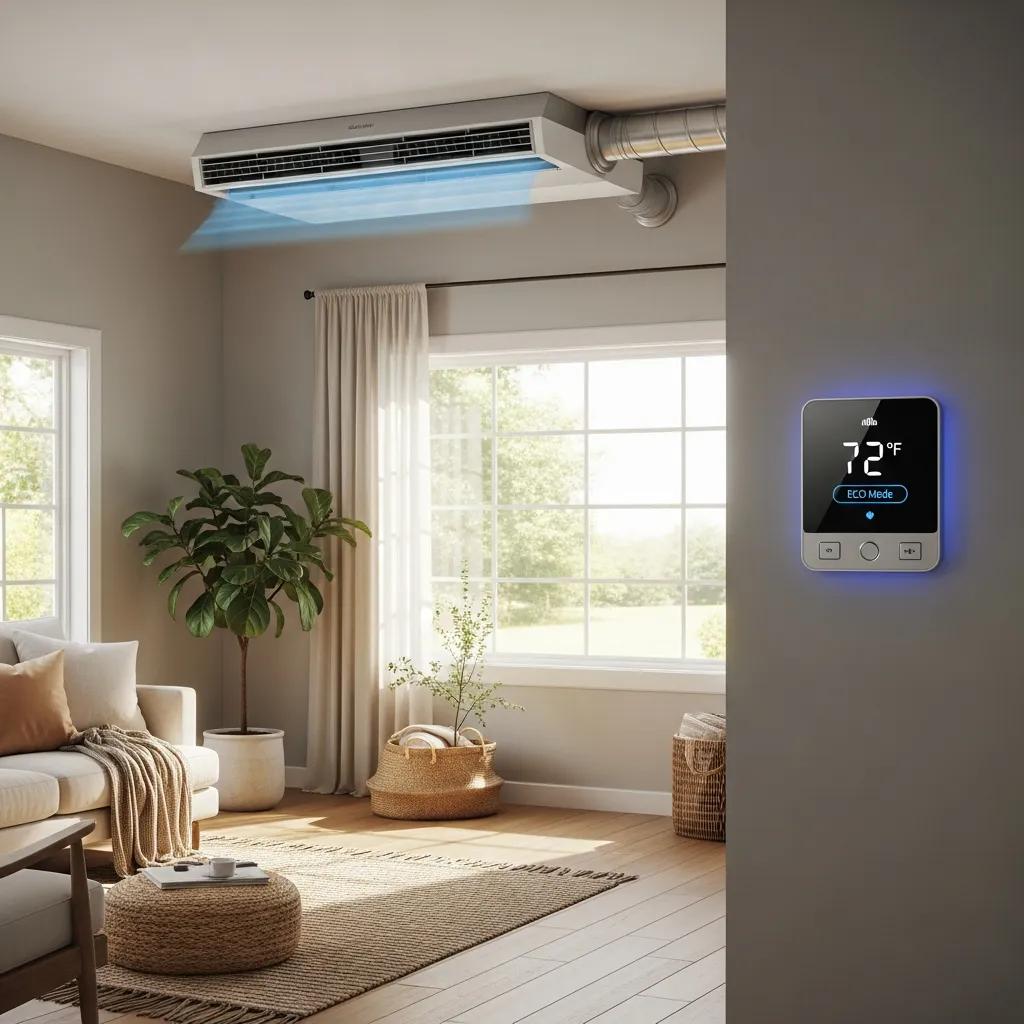
Top Energy‑Efficient HVAC Upgrades to Maximize Comfort and Savings with Ellis County Climate Control
Upgrading to energy‑efficient HVAC equipment is one of the best moves a homeowner can make to boost comfort and cut utility bills. This guide walks through the most effective home upgrades — from high‑efficiency systems and heat pumps to smart thermostats, improved insulation, and ductwork optimization — so you can save money and shrink your environmental footprint. With energy costs rising and climate concerns on the rise, replacing old equipment isn’t just a smart financial decision, it’s the responsible one. Read on to learn what matters most and where to start.
Why Should You Invest in Energy-Efficient HVAC Upgrades Today?
Choosing energy‑efficient HVAC upgrades helps homeowners lower monthly bills and enjoy more consistent indoor comfort. Inefficient or aging systems often drive up costs and reduce comfort — replacing them can deliver long‑term savings, better performance, and even increased resale value. In short, efficiency upgrades are practical improvements that pay off over time and make your home more attractive to buyers. If you want a practical next step, consider requesting a professional estimate to see real savings projections for your home.
What Are the Common Signs of Inefficient HVAC Systems?
Spotting an inefficient system early can save you money and hassle. Watch for these warning signs: indoor air quality
- Inconsistent Temperatures: Rooms that swing between hot and cold usually mean the system or ductwork isn’t delivering conditioned air evenly. This often leads to discomfort and increased energy consumption as the system struggles to maintain a set point.
- Frequent Breakdowns: If you’re calling for repairs often, your system may be nearing the end of its useful life and costing more than it’s worth to maintain. These recurring issues can quickly add up, making a replacement a more cost-effective long-term solution.
- High Energy Bills: A steady or sudden rise in utility costs can point to an inefficient unit, duct leaks, or outdated controls. Monitoring your energy usage can help you identify these increases and prompt you to investigate potential causes.
Catch these early and you can prioritize repairs or an upgrade before costs climb higher.
How Do Energy-Efficient Upgrades Reduce Your Utility Bills and Environmental Impact?
Energy‑efficient upgrades lower bills and shrink your home’s carbon footprint by using less energy to achieve the same — or better — comfort levels. Key advantages include:
- Reduction in Energy Consumption: Modern components and smarter controls use less electricity and fuel, trimming monthly expenses. This directly translates to noticeable savings on your utility bills each month.
- Lower Carbon Footprint: Using less energy means fewer greenhouse gas emissions, which helps the planet over time. By reducing your home’s energy demand, you contribute to a more sustainable future and lessen your environmental impact.
- Increased Home Value: Energy‑smart homes are more appealing to buyers who factor operating costs into their offers. These upgrades can significantly enhance your property’s marketability and resale value.
Together, these benefits make efficiency upgrades a practical investment for the short and long term.
How Can High-Efficiency AC and Furnace Replacements Improve Your Home?
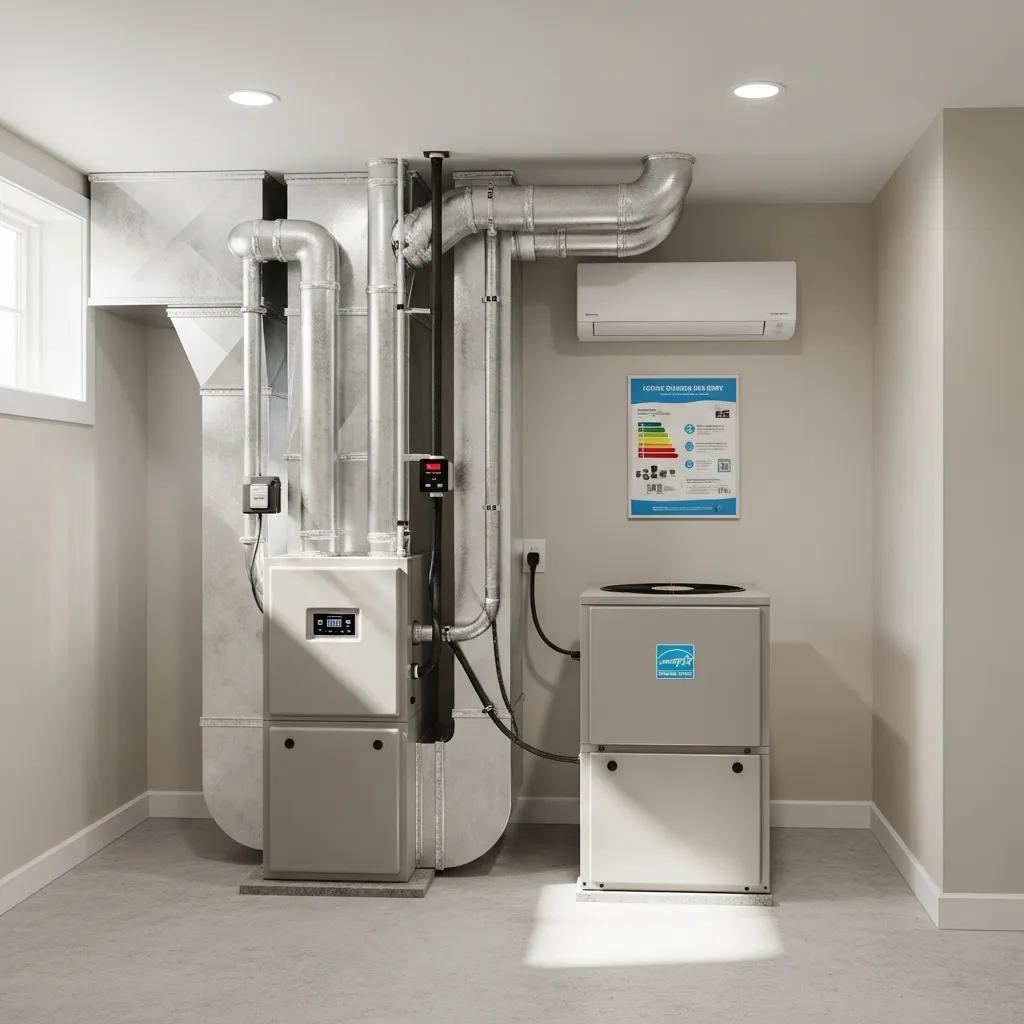
Swapping old AC units and furnaces for high‑efficiency models often produces noticeable drops in energy use and steadier indoor temperatures. New systems are engineered to work smarter — delivering reliable heating and cooling while consuming less energy.
What Do SEER and AFUE Ratings Mean for HVAC Performance?
SEER and AFUE are standard ways to compare how efficiently equipment runs.
- SEER Ratings: SEER measures cooling efficiency. A higher SEER number means a more efficient air conditioner — for example, a 16 SEER unit uses less energy than a 13 SEER unit. Regional minimums vary, but many new systems start at 14–15 SEER.
- AFUE Ratings: AFUE tells you how much fuel a furnace converts into heat. A furnace with 90% AFUE turns 90% of its fuel into usable heat; top modern furnaces can reach 95% AFUE or more.
Knowing these ratings helps you pick the right equipment for your climate and budget.
When Is It Time to Replace Your Old HVAC System?
Consider replacing your system if you see these red flags:
- Age of the System: Most systems last 10–15 years. If yours is in that range, newer models will be much more efficient.
- Frequency of Repairs: Constant, costly fixes usually mean replacement is the smarter financial choice. Investing in a new system can prevent future repair expenses and provide greater peace of mind.
- Energy Efficiency Concerns: If your system can’t meet current efficiency standards or struggles to keep your home comfortable, an upgrade will likely save money and hassle. Modern systems offer superior performance and significantly lower operating costs.
When you’re ready, our team can evaluate your system and recommend the best timing and options — schedule a service to get started.
What Are the Advantages of Heat Pump Technology for Your Home?
Heat pumps are an efficient way to both heat and cool your home. They move heat rather than create it, which often makes them more energy‑efficient than separate heating and cooling systems.
How Do Air-Source and Geothermal Heat Pumps Work?
Heat pumps transfer heat between your home and the outside environment.
- Air-Source Heat Pumps: These pull heat from outdoor air in winter and push heat out in summer. Modern cold‑climate models can perform well even in below‑freezing temperatures, making them suitable for a wider range of climates.
- Geothermal Heat Pumps: By tapping the stable temperatures underground, geothermal systems provide consistent, efficient heating and cooling year‑round. This constant temperature source makes them incredibly reliable and energy-efficient regardless of outdoor conditions.
Both types can cut energy use compared with older, traditional systems.
What Are the Energy Savings and Comfort Benefits of Heat Pumps?
Heat pumps deliver clear benefits:
- Cost Savings on Energy Bills: Depending on your climate and usage, heat pumps can lower energy bills by roughly 30–50% compared with conventional heating. This significant reduction in operating costs makes them a financially attractive option over the long term.
- Consistent Indoor Temperatures: They provide even, steady heating and cooling with fewer hot or cold spots. This results in a more comfortable living environment throughout your entire home.
- Long-Term Investment Benefits: Upfront costs may be higher, but the lasting efficiency and lower operating costs make them a strong long‑term choice. The return on investment often outweighs the initial expenditure, providing value for years to come.
For many homeowners, these advantages make heat pumps a smart upgrade to consider.
How Do Smart Thermostats Enhance HVAC Energy Efficiency?
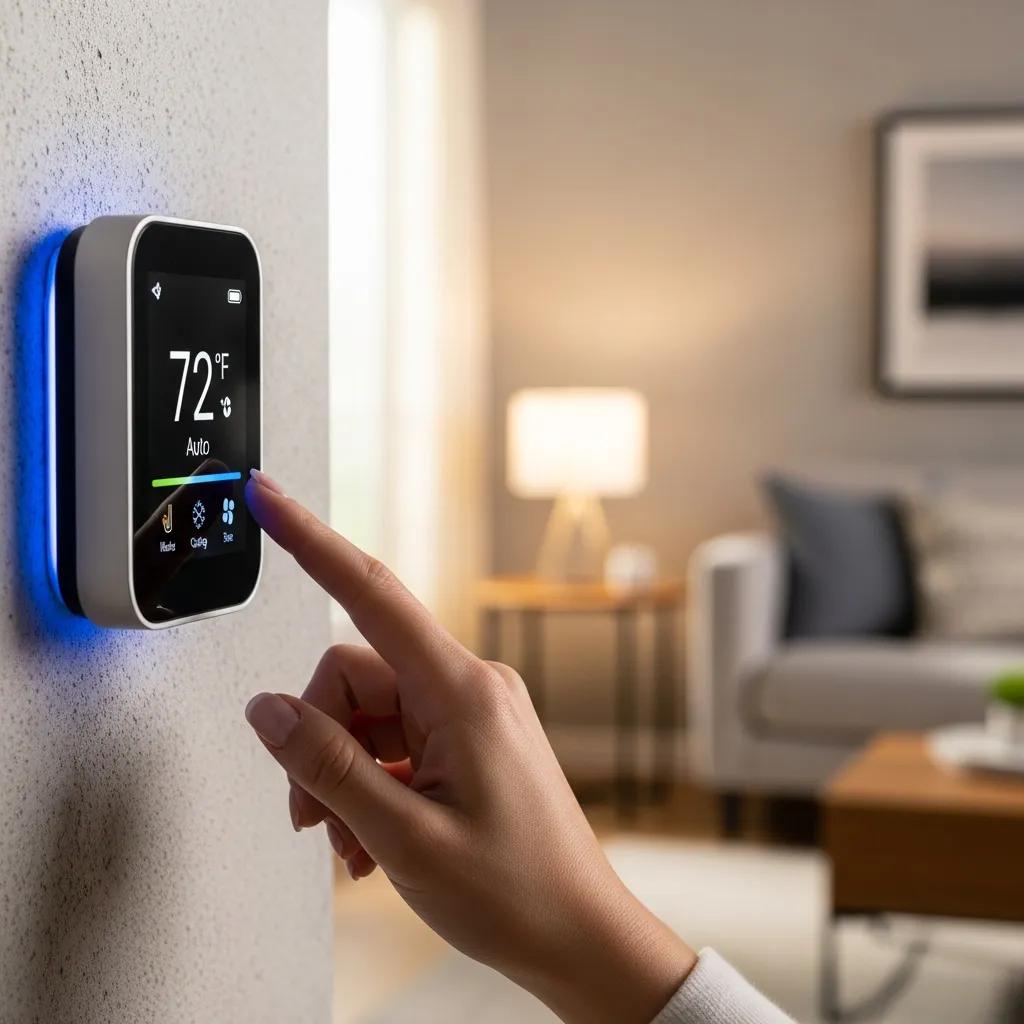
Smart thermostats give you better control over when and how your HVAC system runs, which directly reduces wasted energy. They learn habits, let you set schedules, and often provide actionable energy reports.
What Features Should You Look for in a Smart Thermostat?
When choosing a smart thermostat, prioritize these features:
- Compatibility with HVAC Systems: Make sure the thermostat works with your equipment, including heat pumps and multi‑stage systems. Checking compatibility ensures seamless integration and optimal performance of your entire HVAC setup.
- User-Friendly Interface: An intuitive display and app make it easier to stick with an efficient schedule. A simple interface encourages consistent use of energy-saving features.
- Energy-Saving Features: Look for adaptive scheduling, geofencing, and usage tracking to maximize savings. These advanced functionalities allow the thermostat to learn your preferences and optimize energy consumption automatically.
These capabilities make it simpler to get steady savings without extra effort.
How Does Smart Thermostat Installation Lead to Energy Savings?
A smart thermostat reduces wasted heating and cooling by aligning system run times with your actual schedule. You’ll spend less conditioning empty rooms and can review energy reports that point to further improvements.
How Does Attic and Wall Insulation Improve Energy Retention?
Insulation slows heat transfer, which helps maintain stable indoor temperatures. Key points include:
- Types of Insulation Materials: Common choices are fiberglass, spray foam, and cellulose — each fits different needs and budgets. Selecting the right material is crucial for achieving optimal thermal performance in your home.
- R-Value Importance: R‑value measures thermal resistance; higher R‑values mean better insulation for your climate zone. Ensuring adequate R-value prevents heat loss in winter and heat gain in summer.
- Long-Term Savings on Energy Bills: Proper insulation pays back over time through lower heating and cooling costs. This makes insulation a foundational investment for any energy-efficient home.
Good insulation is one of the most cost‑effective upgrades for lasting comfort and savings.
What Are the Benefits of Air Sealing and Weatherization?
Sealing gaps and improving weatherization stops drafts and energy loss. Benefits include:
- Reduction of Drafts: Filling cracks and gaps eliminates cold or hot spots and improves comfort. This also prevents outside air from infiltrating your home, maintaining a more stable indoor environment.
- Improved HVAC Efficiency: A tighter building envelope lets your system run less often to maintain set temperatures. This reduces the workload on your HVAC unit, extending its lifespan and lowering energy consumption.
- Enhanced Comfort Levels: Consistent temperatures mean less strain on your equipment and a more comfortable living space. Eliminating drafts and temperature fluctuations creates a more pleasant atmosphere for occupants.
These simple measures complement any HVAC upgrade and boost overall performance.
How Can Ductwork Optimization Boost Your HVAC System’s Performance?
Well‑designed, properly sealed ductwork is essential. Leaks, poor layout, or lack of insulation can waste a large share of conditioned air before it reaches living spaces.
What Are the Signs of Leaky or Inefficient Ductwork?
Look for these indicators that ducts need attention:
- Weak Airflow from Vents: Low airflow often means leaks, blockages, or poorly sized ducts. This can lead to uneven heating or cooling and reduced system effectiveness.
- Increased Dust Levels: Excess dust near registers can mean gaps that pull in unfiltered air. These gaps allow contaminants into your home and can worsen indoor air quality.
- Higher Energy Bills: If your system runs longer to reach set temperatures, duct losses may be to blame. Leaky ducts force your HVAC system to work harder, consuming more energy than necessary.
Addressing duct issues can restore comfort and reduce energy waste.
How Do Duct Sealing, Insulation, and Zoning Systems Enhance Comfort?
Fixing ducts and adding zoning brings big benefits:
- Benefits of Sealing Ducts: Sealing leaks improves airflow, raises system efficiency, and lowers energy use. This ensures that conditioned air reaches its intended destination without waste.
- Importance of Insulation: Insulated ducts keep conditioned air at the intended temperature as it moves through crawlspaces or attics. This prevents energy loss and maintains the desired temperature throughout your home.
- Zoning for Customized Comfort: Zoning systems let you heat or cool specific areas on demand, reducing waste and improving comfort. This allows for personalized temperature control in different parts of your home, catering to individual preferences.
These upgrades work together to make your home more comfortable and energy‑efficient.
| Upgrade Type | Description | Benefits |
|---|---|---|
| High-Efficiency HVAC Systems | Systems designed to use less energy while providing the same comfort | Lower energy bills, reduced environmental impact |
| Heat Pumps | Systems that provide both heating and cooling by transferring heat | Versatile, energy-efficient, cost-effective |
| Smart Thermostats | Devices that optimize HVAC operation based on user behavior | Enhanced control, energy savings |
Putting these upgrades together can deliver meaningful improvements in comfort and energy use. If you’re ready to explore options, our team can help you find the right combination for your home — get in touch.
Ready to Contact our Team?
Choosing energy‑efficient HVAC solutions pays off with lower utility bills, steadier comfort, and a smaller environmental footprint. Upgrading to high‑efficiency units, considering heat pumps, installing a smart thermostat, and improving insulation and ductwork will help your home run smarter and cost less to maintain. These improvements also add real value to your property. Ready to start? Contact our team to evaluate your home and find the right efficiency upgrades for your needs.